
How to explore Yosemite? This article starts with transportation and ticket prices, shares 20 must-see attractions, provides a summer/winter travel guide, recommends accommodations inside and outside the park, answers frequently asked questions before your trip, and finally recommends a great way to explore Yosemite: "rent a car and drive yourself in the US."
Table of contents
1. A must-see natural wonder in the US: Yosemite National Park
(I) Where is Yosemite National Park? Explanation of Yosemite's geographical location in the United States.
(ii) Recommended season to visit Yosemite
(iii) What are the modes of transportation to Yosemite?
(iv) How much are the tickets to Yosemite National Park? Latest ticket prices for 2026
II. Yosemite Attractions Map: Save 20 Must-Visit Attractions at Once!
1. Tunnel View
2. Yosemite Valley View
3. Bridalveil Fall
4. El Capitán (El Capitán)
5. Horsetail Fall
6. Yosemite Falls
7. Yosemite Valley Visitor Center
8. Sentinel Falls
9. Sentinel Dome
10. Glacier Point (Glacier Summit)
11. Illilouette Fall
12. Mirror Lake
13. Vernal Falls
14. Nevada Falls
15. Half Dome
16. Tenaya Lake
17. Tuolumne Meadows
18. Hetch Hetchy
19. Wapama Falls
20. Mariposa Grove
III. Yosemite Travel Guide: Examples of One-Day/Two-Day Itineraries in Summer and Winter
(I) Summer One-Day/Two-Day Tour Itinerary Reference
(II) Winter One-Day/Two-Day Tour Itinerary Reference
IV. Recommended Accommodation in and around Yosemite National Park
(a) Accommodation within Yosemite National Park
(ii) Accommodation around Yosemite
V. Must-Read Before Your Trip! Frequently Asked Questions about Visiting Yosemite
Q1: Is it a good time to visit Yosemite National Park in winter?
Q2: Are there places to eat inside Yosemite National Park?
Q3: What are some things to be aware of when driving within the park?
Q4: How should I plan my itinerary when visiting Yosemite?
6. We recommend "Tianma Car Rental" for your worry-free travels in Yosemite.
1. A must-see natural wonder in the US: Yosemite National Park
If you're planning a trip to the American West, Yosemite National Park is a must-see! Not only is it a World Heritage Site, but it's also a mecca for photographers and outdoor enthusiasts. Whether you want to admire magnificent rock formations, feel the spray of waterfalls, or simply breathe in the phytoncides of the forest, Yosemite can fulfill everyone's imagination of natural wonders.
Below, we've compiled information on Yosemite's location, best time to visit, transportation options, and ticket prices to help you prepare for your trip.
(one)Yosemite National ParkWhere?Yosemite, USAGeographical location description
Yosemite National Park, located in central California on the western side of the majestic Sierra Nevada Mountains, is one of California's most popular outdoor destinations.
If you're planning a trip to Yosemite, it's usually recommended to start from San Francisco or Los Angeles:
- Departing from San FranciscoIt takes about 3.5 to 4 hours by car.
- Departing from Los AngelesIt takes about 5.5 to 6 hours to drive there.
(ii) Recommended season to visit Yosemite
Yosemite offers distinctly different scenery in each season, so you can decide when to go based on the views you want to see:
- Spring (April to June)As spring warms up, the snow begins to melt on the mountaintops, most of the waterfalls in Yosemite reach their peak flow, the entire valley is full of life, and flowers and plants begin to bloom.
- Summer (July to August)Summer is the season with the most stable weather and all mountain roads are open. Although the scenery is stunning, it is also the peak tourist season with the largest number of visitors.
- Autumn (September to November)As autumn approaches, the waterfall's water volume decreases significantly, but it is replaced by stunning displays of red and golden maple leaves. The climate is cool and pleasant, perfect for hiking, but the weather becomes more unstable after the end of October, so remember to check the weather forecast before you set off.
- Winter (December to March)Yosemite transforms into a silvery-white wonderland in winter, during the off-season when there are fewer crowds. However, some roads may be closed due to snow accumulation. But every February, visitors have the chance to witness the world-famous "Firefall," a dreamlike moment many eagerly anticipate throughout the year.
Due to the highly variable weather in Yosemite, it is recommended to check the official information provided before departure.Yosemite live weather forecast website"To find out the local weather conditions."
(iii) What are the modes of transportation to Yosemite?
There are many ways to get to Yosemite, and you can choose according to your travel habits and budget:
- self-drivingA self-driving tour is the most flexible and recommended way to travel to Yosemite. Usually, you choose to start from San Francisco and combine it with surrounding attractions and accommodations to arrange a 2-3 day trip to fully appreciate the natural scenery of Yosemite.
- Amtrak (train) / Greyhound (bus)If you choose public transportation, you can take a train or Greyhound bus to the nearby city of Merced, and then take the YARTS buses that operate around Yosemite to the park. During the summer peak season, there are additional bus routes available. You can also choose to depart from Fresno or Sonara to avoid crowds. For schedule details, please visit [website address - missing in original text]. YARTS Official WebsiteSearch.
- Tour groups/package toursIf you don't want to plan your own transportation and accommodation, you can choose a day trip or multi-day tour departing from San Francisco, led by a professional guide to visit Yosemite. These tours usually focus on a few well-known attractions or landmarks, suitable for travelers who want a relaxed visit to classic sights. However, for those who want to delve deeper into hiking and explore hidden gems, it is recommended to plan your own itinerary to fully experience the grandeur and tranquility of Yosemite.
Explore Yosemite, starting with booking your own private American ride.
(Four)Yosemite ticketsHow much? Latest ticket prices for 2026
📍 Yosemite Admission Fee Calculation
| Yosemite Standard Admission Ticket | ||
| Entry method | cost | Remark |
| Private cars (15 people or less) | $35 per vehicle | Including all passengers on the vehicle |
| locomotive | $30 per vehicle | Including all passengers on the vehicle |
| Solo (walking, cycling) | $20 per person | Free for ages 15 and under |
In addition to the standard admission ticket, non-U.S. residents aged 16 and over are required to pay an additional "non-resident fee" of $100 per person.
For example, a family of four adults from Taiwan would need to pay a vehicle fee of US$35 to visit Yosemite, plus a non-resident fee of US$400 for the four people, for a total of US$435.
Besides Yosemite, the following 10 other popular national parks also require an additional "non-resident fee" for visits:
- CaliforniaSequoia and Kings Canyon
- Utah/ArizonaZion, Bryce Canyon, Grand Canyon
- Yellowstone areaYellowstone, Grand Teton
- Other regionsAcadia, Everglades, Glacier, Rocky Mountains
If you plan to visit more than two popular national parks on this trip, you might consider the "US-sponsored" program.National Park Annual PassThe 2026 Digital Non-Resident Annual Pass for non-U.S. residents costs only $250 and allows entry to U.S. national parks, protected areas, historical sites, and other tourist attractions within a one-year validity period, which is more affordable than paying the non-resident fee for a single entry.
📍 Ticket Purchase Channels Summary
If you wish to purchase a "Standard Admission Ticket," you can do so at any of the five entrances to Yosemite:
- South Entrance
- Arch Rock Entrance
- Big Oak Flat Entrance
- Hetch Hetchy Entrance
- Tioga Pass Entrance
However, please note that when purchasing tickets on-site, Yosemite currently only accepts credit cards and mobile payments; cash payments are not accepted.
If you wish to purchase a national park annual pass, two versions are available: a physical pass and a digital pass.
- Physical annual pass can be purchased on-site.Ticket offices at major national parks across the United States (You can click here to find out where to buy tickets.)
- Purchase physical annual pass onlineThrough USGS StorePlace your order and have it shipped to your US address.
- Digital annual pass online purchase: directly inOnline storesBuy
II. Yosemite Attractions Map: Save 20 Must-Visit Attractions at Once!
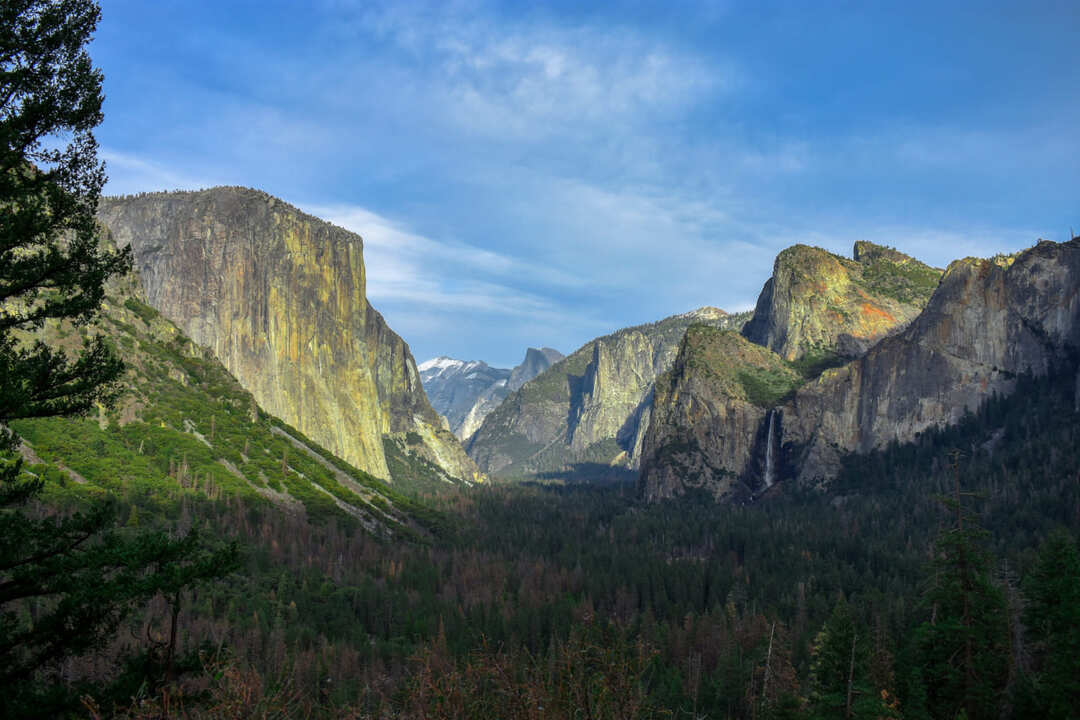
1. Tunnel View
Tunnel View in Yosemite is the first famous attraction you'll see after entering from Highway 41. You can enjoy the magnificent scenery of Yosemite without even having to walk. To your left, you'll see the famous and majestic El Capitán, to your right, the elegant Bridalveil Fall, and in the distance, Half Dome sits firmly in the heart of the canyon.
If you want to avoid the crowds, you can walk up the Artist Point Trail next to it. The about 1-hour hike will take you to a higher and quieter viewpoint.
- Google Maps::Click here for navigation
2. Yosemite Valley View
Yosemite Valley View offers a completely different low-angle aesthetic from Tunnel View, allowing you to stand on the banks of the Merced River and watch the towering rock walls reflected on the calm water, making it a popular spot for photographers.
Rivers usually flow more gently in late winter and early spring, making reflections clearest. If you visit in October in autumn, you can capture the magnificent view of red leaves reflected on the water.
- Google Maps::Click here for navigation
3. Bridalveil Fall
Bridalveil Fall is usually the first waterfall visitors see upon entering the park. Its name comes from the way the light, swaying spray often creates a dreamlike rainbow under the sunlight, resembling a bride's veil. The waterfall is approximately 620 feet high and flows year-round, typically reaching its peak flow in May.
There is a simple Bridalveil Fall Trail nearby, which takes only about 10 to 15 minutes to walk to the bottom of the falls, allowing you to experience the beautiful scenery of being washed and enveloped by the waterfall's spray from below.
- Google Maps::Click here for navigation
4. El Capitán (El Capitán)
El Capitan is one of Yosemite's most famous attractions, a massive granite rock formation rising 3,000 feet high, and a "holy grail" for many rock climbers. Even non-climbers can stand beneath the rock, look up at the 90-degree vertical face, and feel the awe-inspiring grandeur of nature.
When visiting El Capitan, consider bringing a picnic mat. Sit quietly in the picnic area or lie on the grass to admire the wonders of nature and enjoy a wonderful lunch time surrounded by the natural scenery.
- Google Maps::Click here for navigation
5. Horsetail Fall
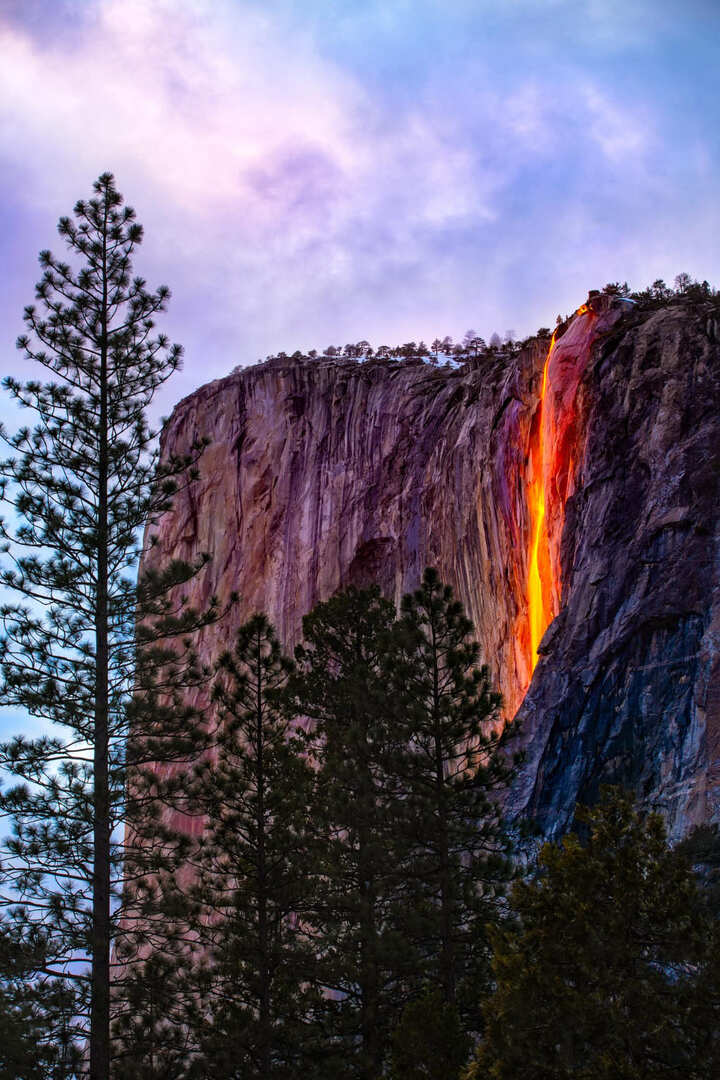
Horsetail Fall is located next to El Capitán, about 1,000 feet high, and the water flows from December to April of the following year.
Due to its location and orientation, Horsetail Fall reflects the afterglow of the setting sun in February each year, turning the entire waterfall orange-red, like lava flowing out, hence the name "Firefall".
The annual firefall spectacle attracts many tourists and photographers. Although the reservation restrictions for Yosemite were lifted in February 2026, officials said that large crowds are still expected in the surrounding area, so traffic and pedestrian controls may be implemented in some areas. Visitors are advised to pay close attention to the situation on site.
- Google Maps::Click here for navigation
6. Yosemite FallsYosemite Falls)
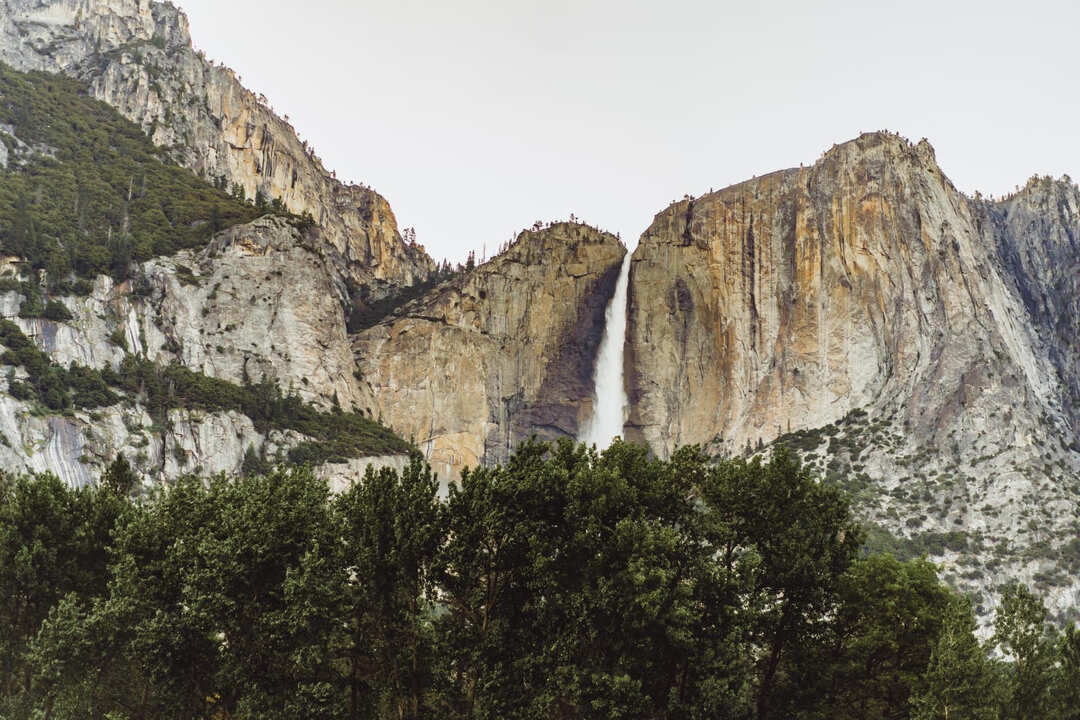
Yosemite Falls is one of the tallest waterfalls in North America, with a total height of 2,425 feet. It is divided into three sections: the upper section is 1,430 feet high, the middle section is 675 feet high, and the lower section is 320 feet high. Yosemite Falls is at its peak flow between April and June each year.
Below the falls, there is a Lower Yosemite Fall Trail, which is about 1.6 kilometers long and has gentle undulations. It can be walked all the way to the bottom of the falls in about 30 minutes. Even wheelchairs and strollers can pass through, making it a great place for the whole family to go for a walk.
- Google Maps::Click here for navigation
7. Yosemite Valley Visitor Center
The Yosemite Visitor Center is an educational hub for exploring Yosemite, featuring numerous exhibits to help you gain a deeper understanding of the land's natural history and Indigenous culture. In addition, you can obtain maps, check trail closure information, purchase food, or buy souvenirs at the Visitor Center.
- Google Maps::Click here for navigation
8. Sentinel Falls
Sentinel Falls, located on the south side of Yosemite Canyon opposite El Capitan, consists of several cascading waterfalls ranging from 50 to 500 feet in length, totaling approximately 2,000 feet in length. It has a larger flow between March and June each year. While not as well-known as other waterfalls, in spring the water converges and cascades down the cliff face like a long, thin white ribbon hanging between the cliffs.
- Google Maps::Click here for navigation
9. Sentinel Dome
If you're looking for a place with a 360-degree panoramic view of Yosemite Canyon from a high vantage point, besides the famous Half Dome, consider the less crowded Sentinel Dome. Standing atop the dome, you can enjoy views of the entire Yosemite Canyon and the distant Sierra Nevada Mountains, making it an excellent spot for watching the sunset and starry skies.
- Google Maps::Click here for navigation
10. Glacier Point (Glacier Summit)
At an altitude of 7,214 feet, Glacier Peak is the highest and most breathtaking viewpoint in Yosemite. Looking down, Yosemite Canyon looks like an exquisite miniature model, while Half Dome seems almost within reach. This is one of the best angles to capture the full view of Half Dome.
However, the road to the glacier summit may be closed due to snowfall in winter, and it is generally recommended to visit by car between May and November. If you miss this period, you may need to ski to get there.
- Google Maps::Click here for navigation
11. Illilouette Fall
Illilouette Fall is a waterfall located near Glacier Point, about 370 feet high, with water flowing year-round, typically peaking in May. Illilouette Fall is a hidden gem; you must hike along the Panorama Trail from Glacier Point to catch a glimpse of it.
- Google Maps::Click here for navigation
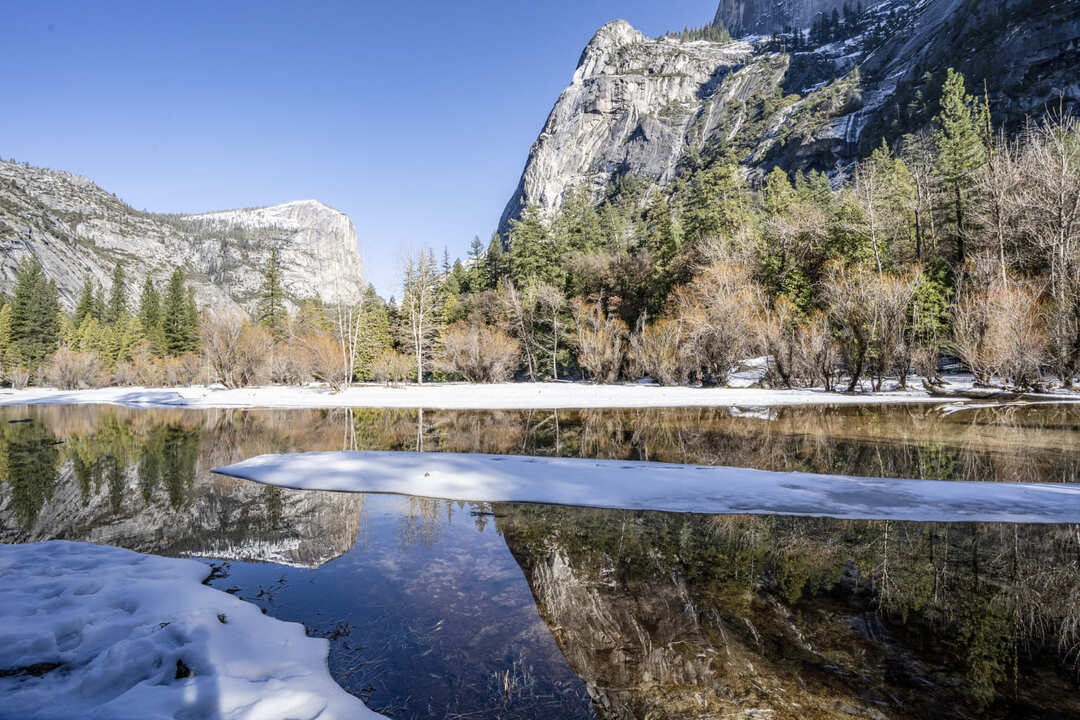
12. Mirror Lake
Mirror Lake is a seasonal lake on the Merced River, named for its clear, calm surface that resembles a mirror. It appears during the spring and early summer (approximately April to June) as the snow melts, reflecting the majestic Half Dome. It dries up in late summer, returning to its meadow state. Hiking trails and picnic areas are available nearby, and the trails are relatively gentle, making it ideal for family outings.
- Google Maps::Click here for navigation
13. Vernal Falls
Vernal Fall, which has water all year round, is about 317 feet high. The peak water volume is around May to June each year. After that, as the water flow decreases, it gradually changes from one large waterfall to three smaller waterfalls.
If you wish to visit Vernal Fall, you can also try the popular John Muir and Mist Trails within Yosemite National Park, which connects Vernal Fall and Nevada Fall.
The Vernal Fall section of the trail takes about 2-3 hours to complete, but the overall slope is quite steep, making it more suitable for visitors with some fitness level. In winter, there's a chance of ice or snow accumulation, which may cause the trail to be closed; it's recommended to check beforehand.Official websiteConfirm the openness of the trail.
- Google Maps::Click here for navigation
14. Nevada Falls
Nevada Fall is about 594 feet high and has water all year round, with the peak flow occurring around May and June. The water surges against the rocks, creating huge white waves that look like a snow-covered landscape from a distance, forming a striking contrast with the surrounding granite.
Nevada Fall can also be reached via the John Muir and Mist Trails. This trail offers stunning views of Liberty Cap, Emerald Pool, Silver Apron, and other attractions, making it a worthwhile challenge if you're physically fit.
- Google Maps::Click here for navigation
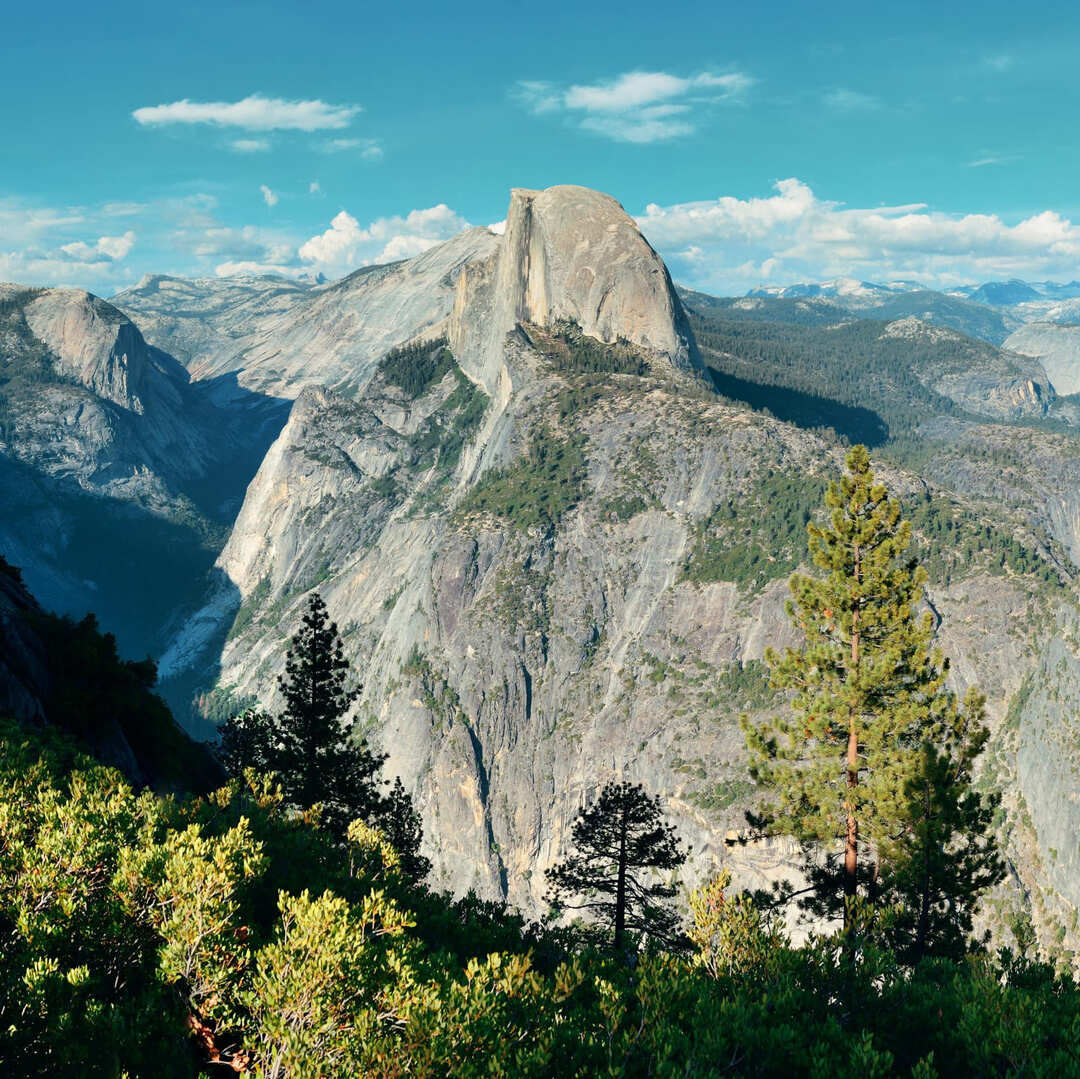
15. Half Dome
Half Dome is one of Yosemite's most famous landmarks and a coveted challenge for many hikers. The final leg of the hike, the "Half Dome Cables," requires climbing vertically while holding onto two steel cables. Due to the high difficulty of the route, those wishing to attempt it must plan ahead.ApplyAnd pay a fee of $10.
- Google Maps::Click here for navigation
16. Tenaya Lake
Tenaya Lake is the largest lake in Yosemite and one of the most popular spots for water activities. Visitors can enjoy activities such as paddleboarding, kayaking, canoeing, and swimming, and relax in the surrounding picnic areas while enjoying the tranquil mountain and lake scenery.
However, please note that Tenaya Lake is usually only accessible when Tioga Road is open, typically from May or June to October or November, depending on the local weather. (The road usually closes after the first heavy snowfall.)
- Google Maps::Click here for navigation
17. Tuolumne Meadows
Tuolumne Meadows is a vast grassland bisected by the winding Tuolumne River and surrounded by majestic mountains and domes. However, because Tuolumne Meadows is located on Tioga Road, it can only be accessed by car when the road is open. During road closures, it can be reached by ski-crossing.
- Google Maps::Click here for navigation
18. Hetch Hetchy
Hetch Hetchy is located in the northwest of Yosemite National Park, about an hour's drive from the central Yosemite Canyon. However, the surrounding steep cliffs and spectacular waterfalls are still breathtaking. If you're looking to avoid the crowds and enjoy a peaceful and relaxing trip, Hetch Hetchy is a great option.
- Google Maps::Click here for navigation
19. Wapama Falls
Wapama Falls is located next to the reservoir in Hetch Hetchy. It is about 1,400 feet high and has water all year round, with the peak flow around May. There is an 8-kilometer-long trail around the falls that leads all the way to the bottom. During the peak flow period in spring, you may even get completely soaked while walking on the trail, which is very exciting.
- Google Maps::Click here for navigation
20. Mariposa Grove
Mariposa Grove is a giant sequoia forest south of Yosemite, home to over 500 mature redwoods, the oldest of which is over 2,000 years old. However, driving only allows access to the parking lot outside Mariposa Grove; to visit the giant trees within the grounds, visitors must either take a shuttle bus from the entrance or hike.
- Google Maps::Click here for navigation
III. TourYosemite GuideExample of a one- or two-day summer/winter tour itinerary
Yosemite's scenery is affected by the seasons, and some sections may be inaccessible. Therefore, we have compiled the most convenient 1 or 2-day itineraries to help you easily enjoy Yosemite's various landscapes.
(I) Summer One-Day/Two-Day Tour Itinerary Reference
Summer day trips typically focus on famous attractions, including El Capitán and Yosemite Falls. For lunch, visitors can choose to have lunch at the Yosemite Valley Visitor Center or bring their own food into the park.
| Summer day trip | |
| morning | • Tunnel ViewYosemite Valley View • Bridalveil Fall • El Capitán |
| noon | • Yosemite Valley Visitor Center |
| afternoon | • Yosemite Falls • Mirror Lake |
For a two-day summer trip, the first day can be the same as a one-day trip, focusing on famous attractions. On the second day, there are three options: one is to challenge yourself with the hiking trail connecting Vernal Fall and Nevada Fall; the second is a gentler, less crowded option to escape the heat by following Tioga Road to higher altitudes and enjoying the tranquil atmosphere surrounded by nature; and the third is to go to Mariposa Grove and stroll through the giant sequoia forest, letting phytoncides heal your mind and body.
| Summer Two-Day Trip (Day 1) | |
| morning | • Tunnel ViewYosemite Valley View • Bridalveil Fall • El Capitán |
| noon | • Yosemite Valley Visitor Center |
| afternoon | • Yosemite Falls • Mirror Lake |
| Summer Two-Day Trip (Day 2 – Option 1) | |
| morning | Glacier Point • Nevada Fall |
| afternoon | • Vernal Fall • Half Dome |
| Summer Two-Day Trip (Day 2 – Option 2) | |
| morning | • Tenaya Lake |
| afternoon | • Tuolumne Meadows |
| Summer Two-Day Trip (Day 2 – Option 3) | |
| All day | • Mariposa Grove |
(II) Winter One-Day/Two-Day Tour Itinerary Reference
As winter approaches, some roads in Yosemite will be closed due to snow, so itineraries can focus on famous attractions and the fire falls, which are only open in February.
| Winter Day Trip | |
| morning | • Tunnel ViewYosemite Valley View • Bridalveil Fall • El Capitán |
| noon | • Yosemite Valley Visitor Center |
| afternoon | • Yosemite Falls Horsetail Fall |
For a two-day trip in winter, after visiting the famous attractions on the first day, you can choose to head to Hetch Hetchy, a place with lower altitude and less snow, on the second day.
| Two-day winter trip (Day 1) | |
| morning | • Tunnel ViewYosemite Valley View • Bridalveil Fall • El Capitán |
| noon | • Yosemite Valley Visitor Center |
| afternoon | • Yosemite Falls Horsetail Fall |
| Two-day winter trip (Day 2) | |
| All day | • Hetch Hetchy • Wapama Falls |
IV. Recommended Accommodation in and around Yosemite National Park
When planning your Yosemite trip, your accommodation will significantly impact the smoothness of your overall itinerary. Since accommodations within the park are extremely popular, it's recommended to book at least six months to a year in advance. If you can't secure convenient accommodations within the park, don't worry! Below, we've compiled a list of recommended off-site options to share with you!
(one)Accommodation within Yosemite
The biggest advantage of staying within the park is its convenience, saving you time queuing to enter and finding parking every day. However, the accommodation costs are relatively higher. Accommodation within the park is mainly concentrated in three areas:
1. Yosemite Valley
This is the heart of the park and the preferred area for most visitors, making it very popular.
🟡 Yosemite Valley Lodge
If you want to get a close-up view of Yosemite Falls, the tallest waterfall in the United States, then Yosemite Valley Lodge, located in the heart of the city, is the perfect choice! The hotel boasts a simple and elegant style and an excellent location, within walking distance of the shuttle bus station and restaurants, making it ideal for families.
🟡 The Ahwahnee
The Ahwahnee is renowned for its luxurious and stately atmosphere, having hosted numerous royalty and chiefs. The lobby is filled with architectural aesthetics featuring stone and raw wood; if your budget allows and you desire the ultimate in wilderness luxury, this will be an unforgettable stay.
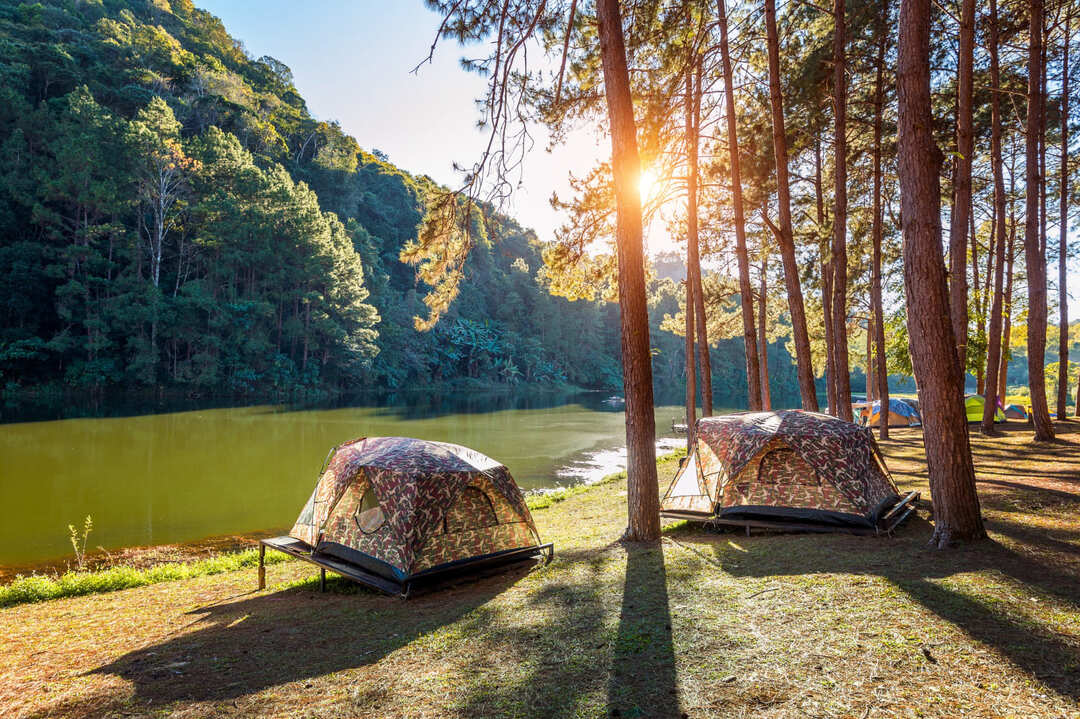
🟡 Curry Village
Looking for camping fun in Yosemite? Curry Village offers many canvas tent cabins. While bathrooms are mostly shared, the affordable prices and lively atmosphere make it a favorite among young travelers and outdoor enthusiasts, and the perfect place to experience "classic American summer camp".
2. Yosemite West
Located within the park but slightly southwest, between the canyon and Mariposa Grove, this location is very convenient for those planning a two-day trip to the giant sequoia forest.
🟡 Yosemite Peregrine Lodge
Yosemite Peregrine Lodge is a cozy and highly rated guesthouse where you can enjoy breakfast prepared by the owners and watch the sunset from your private balcony, offering a more secluded experience.
🟡 Ahwahnichi Lodge
Ahwahnichi Lodge is a private holiday home with a fully equipped kitchen, allowing you to cook dinner with your family and enjoy a tranquil night in the forest while experiencing your exciting itinerary.
3. Wawona
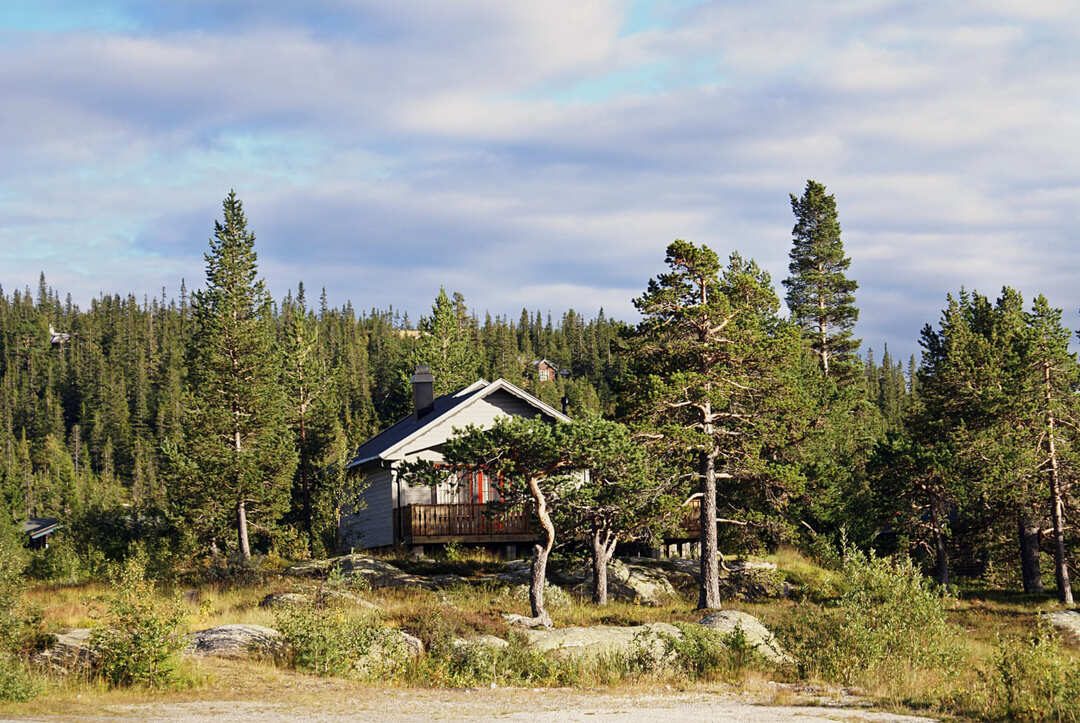
Wawona is located at the southern end of the park, closer to Mariposa Grove. It has fewer tourists, a more relaxed atmosphere, and a slower pace of life, making it suitable for travelers who want a deeper, slower-paced experience.
🟡 Miller's Landing Yosemite Vacation Home
Miller's Landing Yosemite Vacation Home is a cozy, fully-equipped vacation home offering convenient and comfortable rooms with all the necessary amenities. It is also very close to the south entrance of Yosemite, allowing guests to visit Mariposa Grove before continuing their journey into Yosemite Valley.
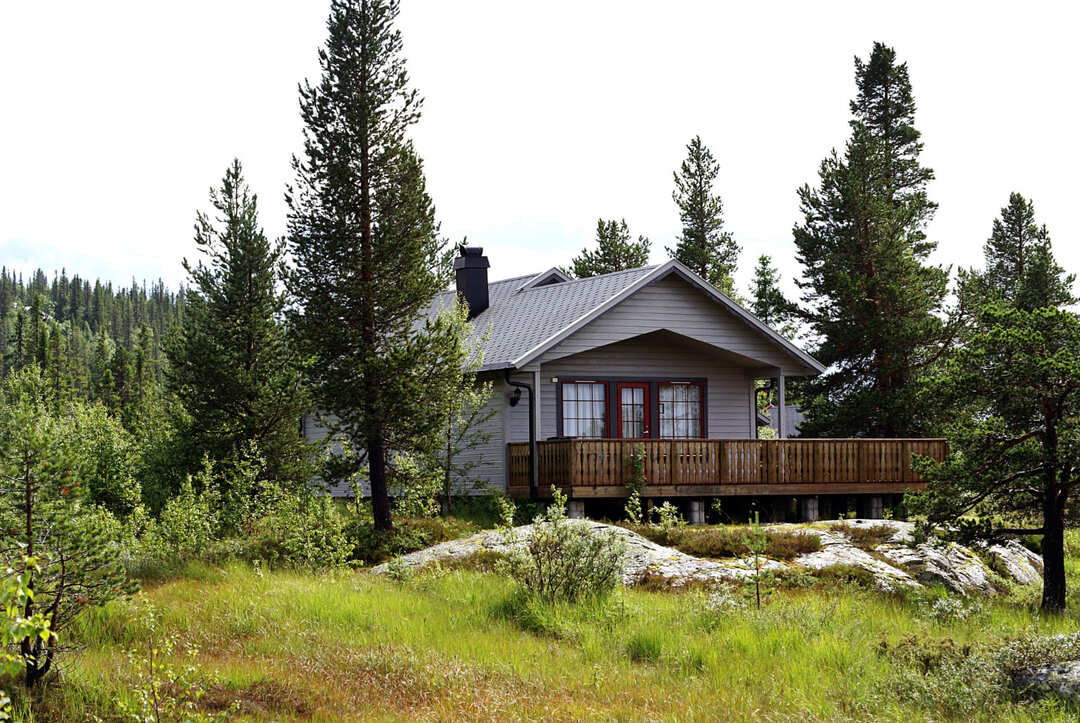
🟡 Yosemite Falls Cabin
Yosemite Falls Cabin is a traditional log cabin located in the south, with a warm and retro atmosphere that gives you the illusion of being secluded in the mountains. Surrounded by forest trees, the cabin allows you to fall asleep in the quiet of the night and wake up to birdsong in the morning, making it perfect for travelers who want to completely escape the hustle and bustle of the city.
(ii) Accommodation around Yosemite
If accommodations within the park are fully booked, or if you're looking for more affordable options, you can consider hotels or resorts outside the park.
🟡Yosemite Blue Butterfly Inn
Yosemite Blue Butterfly Inn is a hotel located right next to the park entrance. It is known for its high-quality service and stunning views, with a rushing river right outside the window. It is only a few minutes' drive from the park entrance, making it a highly sought-after property.
🟡Spinning Wheel Yosemite Resort
Spinning Wheel Yosemite Resort is a resort located a bit further from Yosemite. Although it still takes about an hour to drive into the park, you can enjoy comfortable and modern accommodations here, giving you plenty of space to relax and rest after a day of activities.
🟡 Tenaya at Yosemite
Tenaya at Yosemite is a resort located just outside the south entrance of Yosemite National Park, offering comfortable rooms, a spa, a swimming pool, and a variety of outdoor adventure programs. Although it takes a short drive to get to the center of the canyon, the hotel is only 10 minutes from the south entrance, making it a popular off-site accommodation option for families with children.
Whether it's a day trip, a two-day trip, or moving between accommodations and attractions, the most convenient mode of transportation is undoubtedly "renting a car and driving yourself"! If you want to enjoy a free and flexible Yosemite trip, let "Tianma Car Rental" accompany you on your easy journey.
Explore Yosemite, starting with booking your own private American ride.
V. Must-Read Before Your Trip! Frequently Asked Questions about Visiting Yosemite
Ready to head to this stunning national park? Before you go, you might have some questions. Below, we've compiled 5 frequently asked questions from travelers, including the best season to visit, whether there are dining areas, and nearby attractions, to help you quickly understand various things to keep in mind when visiting Yosemite!
Q1: Is it a good time to visit Yosemite National Park in winter?
If you want to see waterfalls covered in snow and majestic cliffs, and experience the tranquil, somewhat solitary atmosphere of nature, winter is actually a great time to visit. The park is only a fraction of the size it is in summer, allowing you to enjoy the scenery more leisurely and take photos with fewer passersby in the background.
However, traveling to Yosemite in winter presents many challenges. Many high-altitude roads are usually closed due to snowfall between November and May of the following year, limiting the number of accessible attractions. In addition, icy or snow-covered roads significantly increase the difficulty of driving, putting considerable pressure on those unfamiliar with snow driving.
It is recommended to check the road conditions in advance and prepare snow chains in the vehicle so that they can be used immediately in case of temporary traffic control or changes in road conditions. It is also advisable to allow more flexibility in the itinerary in case of unforeseen circumstances.
Q2: Are there places to eat inside Yosemite National Park?
Yes, there are, but they are mainly concentrated in the Yosemite Valley area. There are relatively few restaurants in other areas, and their opening hours may vary depending on the season.
In addition, be prepared for prices to be high when dining within the park. Also, long queues are common during peak tourist seasons and mealtimes.
If you are traveling by car, it is recommended to buy drinking water, food, etc. at the supermarket before entering the park. This way, you can eat in the scenic picnic area, which not only saves you money, but also allows you to enjoy the mountain view while dining. The atmosphere is more enjoyable than in a restaurant, making dining a part of your trip.
Q3: What are some things to be aware of when driving within the park?
While driving offers freedom, it requires attention to traffic control and parking issues.
During peak summer seasons, parking spaces in the canyon area are usually full before 9 a.m. It is recommended to park in the large parking lot and make good use of the park's free shuttle buses.
In winter, there may be traffic control and road closures, so it is recommended to arrive in advance.Official websiteCheck relevant transportation information to avoid discovering problems upon arrival and disrupting your travel plans.
Additionally, it's important to note that leaving food in your vehicle (including unopened canned food, scented cosmetics, etc.) is strictly prohibited inside the park, as the black bears, with their keen sense of smell, may damage car doors or windows in search of food.
Q4: How should I plan my itinerary when visiting Yosemite?
Most travelers will start from San Francisco or Los Angeles, and the biggest appeal of a road trip is the opportunity to see all the beautiful California scenery along the way. Here are some must-see attractions you should include in your itinerary:
1. Starting from San Francisco
- GrovelandThis is a town that you must pass through to enter Yosemite from the north. It retains a strong Western frontier atmosphere. You can also sit in Iron Door Saloon, the oldest bar in California, and experience a nostalgic time.
- Stanislaus National ForestStarting from San Francisco, you can also head north to the Stanislaus National Forest to experience various outdoor activities such as boating and snowmobiling.
- Mono LakeWhen entering Yosemite via Tioga Road in the summer, don't miss this surreal saltwater lake. The lakeshore is covered with travertine towers, creating an alien-like landscape, and it's most dreamlike at sunrise and sunset.
2. Starting from Los Angeles
- Sequoia National ParkIf you are driving from Los Angeles, you might want to visit Sequoia National Park to admire the "General Sherman Tree," the largest tree in the world.
- Alabama HillsThe Alabama Hills, located east of Yosemite, are a classic filming location for Westerns. Their unique rock formations and the distant Whitney Mountains create a breathtaking panorama, especially captivating at sunset.
- Mammoth LakesIf you enter Yosemite National Park from the east, Mammoth Lakes, with its natural geothermal hot springs and clear alpine lakes, is an excellent place to rest.
six,Recommended US car rental companies"Tianma Car Rental"Accompany you on a carefree trip to Yosemite."
The most convenient way to visit Yosemite is by car! However, many people worry about issues such as complicated rental procedures, language barriers, or being charged unknown fees when returning the car when renting a car in the United States.
If you're looking for a car rental company that understands the needs of Taiwanese people, offers transparent services, and provides seamless communication, then "Tienma Car Rental" is definitely your best partner for a road trip in the American West.
Tianma Car Rental has the following advantages:
- Full Chinese serviceWhether it's questions during booking or unexpected situations encountered during the trip, you can communicate in your familiar language at any time, eliminating language barriers.
- InsuranceWhen you rent a car, we offer three different levels of insurance options, which you can purchase according to your individual needs, making your driving more worry-free.
- Convenient pick-up and drop-off pointsWe offer flexible pick-up and drop-off locations based on your travel itinerary, including major airports, downtown areas, and surrounding cities in Los Angeles, San Francisco, San Diego, and Las Vegas.
- A variety of models are availableTianma Car Rental offers a variety of car models, including sedans, SUVs, and minivans, allowing you to choose the most suitable vehicle based on the number of passengers and the size of your luggage.
Public transportation in the United States is not as convenient as in many Asian countries. Driving allows you to break free from service restrictions and freely explore hidden gems inaccessible by public transport. Choose Tianma Car Rental for your self-drive tour and save time on transfers and waiting periods, allowing you to travel the United States more freely!
Click the button below to book your exclusive American ride now.
📖 Further Reading:
- What are the must-buy items in the US? Recommended shopping list and complete guide to outlet transportation.
- How to apply for a US visa (ESTA)? Complete answers to required documents, steps, fees, and frequently asked questions.
- Antelope Canyon Travel Guide: 3 Main Sightseeing Areas, Transportation, Nearby Attractions and Accommodation All in One Go

