
When planning a long road trip in the United States, besides imagining cool and romantic scenes, like driving on American highways...Drive all the way to the Grand CanyonAlongHighway 1Galloping along the coast, orHeading straight to Las Vegas across the desertOn the other hand, long-distance travel for several days in a foreign country often brings some troubles: Where is the next rest stop? How do I navigate when there's no signal? Will my luggage be stolen? What if I get a flat tire or a cracked window in the middle of nowhere? And with gas prices so high, how can I fill up most economically?
Don't worry, these are common questions from many travelers, and even some locals encounter them. Therefore, this article summarizes 5 common problems and solutions for long-distance road trips in the US, helping you minimize anxiety and focus on enjoying the scenery and adventures along the way.
One of the challenges of long-distance road trips in the United States is how to plan "rest stops" along the way.
The United States is vast and sparsely populated, with daily driving journeys often lasting 6 to 10 hours. Without pre-planned stops, fatigue and stress can be amplified, and driving risks can increase. Five simple principles can be considered when planning stops:
- Thinking about how many hours to drive a day:Taking into account your own and your companions' condition and physical strength, as well as the time of sunset, roughly plan out a number of hours of driving per day that would be suitable.
- Determine your accommodation at your destination:Before you depart, it is advisable to decide where you will stay overnight. Accommodation options in American cities or towns are often dozens of kilometers apart, and some urban areas have poor security and are not suitable for travelers.
- Take a break every 2–3 hours:You can set off to rest every three hours or so to stretch, use the restroom, and drink water to recharge. When estimating your journey distance, remember to include rest breaks; a 20-30 minute break can add up to more than an hour. For example, many travelers overestimate their distance from the Grand Canyon to Antelope Canyon and end up driving into the middle of the night.
- Plan the general route in advance:Knowing a little about the route for the day, including which rest stops or interchanges are available along the way, will prevent you from missing one and having to drive an extra 50-100 kilometers to find the next one.
- Check your fuel tank; don't wait until it's almost empty to refuel.In some states or national park areas, gas stations are very scarce or particularly expensive. It is recommended to prepare to refuel when you have about 1/3 of your tank left, rather than waiting until the low fuel light comes on or you are almost out of gas.
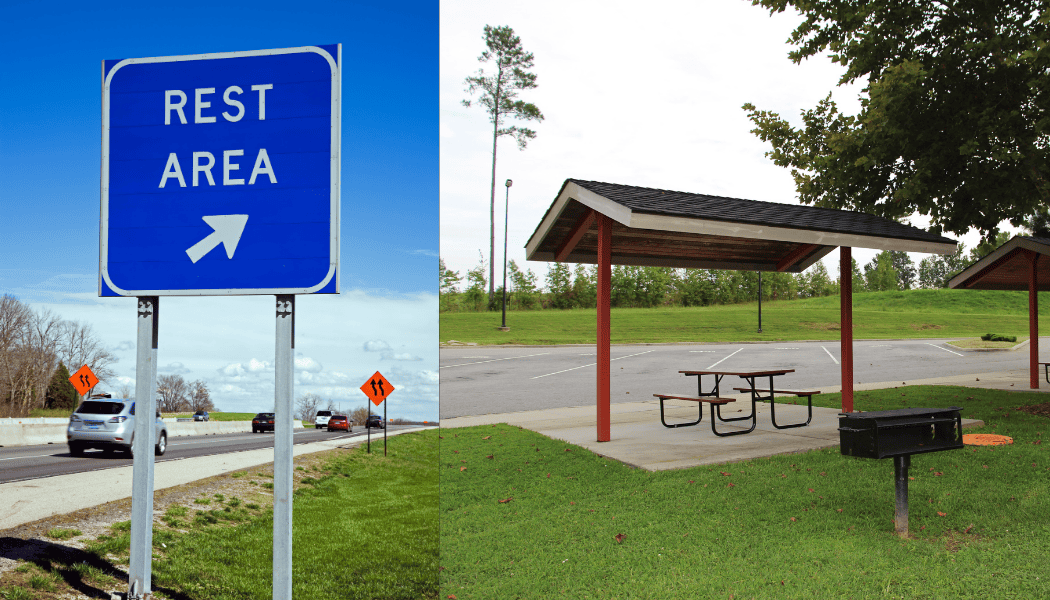
When traveling long distances in the United States, consider stopping at the following three types of stops:
- Scenic Spots: Stop along the way, take 5-30 minutes to take photos and stretch your muscles. You might find something unexpected, but there may not be a restroom.
- Rest areas: Located next to highways, these are the most time-efficient stops, usually used for restroom breaks. They often lack restaurants and gas stations, but some have outdoor dining areas, vending machines, and water dispensers. Safety varies at night when fewer people are around, making them unsuitable for extended stays.
- Service/Exit Areas: These areas typically house restaurants, gas stations, and convenience stores, making them convenient for dining and resupplying. They are often crowded, lively, and safe, but the downside is that you need to exit the interchange, and traffic congestion can sometimes occur in popular towns or cities. You can find these large rest areas on Google Maps by searching for terms like "Fast Food/Gas Station."
The second problem with long-distance road trips in the US: How to navigate without a signal? Will I get lost?
In national parks, mountainous or desert areas, cell phone signals may be completely lost. The lack of satellite GPS can cause some panic among travelers, so it is recommended to check the status before setting off each day.
- Download offline mapsSave a map of a specific area offline in Google Maps. While offline mode doesn't provide real-time traffic updates, it still displays driving directions. Search for your destination on the map -> Download Offline Map (clicking "Save" won't actually download the map).
- Store specific docking pointsAfter planning the stops according to the principles mentioned earlier, mark them on the map so that you can roughly know the location and direction even without internet access.
- Overview of the day's routeI roughly know which highways, interstates, or interchanges I need to take.
- Carry charging cablePhone battery is especially important in times like these, as it serves as a tool for communication and preventing getting lost. Running out of battery can be very dangerous.
If you lose signal in a specific area or on a highway and haven't downloaded an offline map, don't panic. Continue driving along your original route and avoid turning onto side roads. US highways usually have fixed directions, and you'll reach towns or larger highways within a short distance.
Extended Reading:8 Must-Have Apps for Road Trips in the US
The third problem with long-distance road trips in the US: How to prevent theft when driving around with luggage?
A while ago, a Taiwanese person traveling in the United States was carrying all their luggage from their hotel to the airport on their last day. They were robbed after only stopping in one city, which is quite frightening. Is it really that dangerous? In fact, in Sky Horse's thousands of trips, there are fewer than two or three car break-ins each year. Most of these are due to passenger negligence. So even with luggage on long-distance travel, as long as you follow the principles below, the chances of encountering thieves are extremely low.
- Off-road safetyGenerally speaking, national parks, scenic areas outside cities, and tourist towns are relatively safe, as thieves find it difficult to move to other areas and mostly operate within cities. Therefore, if you are traveling with luggage to national parks, mountains, or coastal roads, you don't need to worry too much.
- Carry valuables with youNo matter where you are, it's best to keep your passport, computer, valuables, camera, and other valuables with you at all times. Lock large luggage in the trunk and avoid placing it in the back seat or other visible areas.
- Vehicles cleared at nightWhen checking into a hotel, try to remove all your luggage and items from the car. If possible, it's even better to check into the hotel first, leave your luggage there, and then head to the attractions, which is safer.
- Parking spot selection:pickBrightly lit, crowded, busy, near entrance or tollboothLocation; in the city center or popular tourist areas, choose paid parking lots with attendants, and check the parking lot reviews in advance.
- Luggage storage in high-risk areasIf you need to carry luggage when traveling in high-risk areas, such asDowntown San FranciscoI suggest using a parcel delivery service; you can find one from [website name - likely a Chinese website]. LuggageHero.com or Bounce.com Search for nearby lockers or storage services.
- Avoid unpacking and organizing your luggage in public.If you lock your luggage in the trunk, do not open it during the journey to avoid being spotted by malicious individuals who might discover valuables in the trunk, such as computers or tablets, expensive clothing or bags.
Fourthly, what to do if you encounter a tire blowout or a broken windshield while driving long distances in the United States?
When driving on American highways and encountering gravel or construction debris that causes a tire blowout or windshield damage, the key is to prioritize your own safety before dealing with the vehicle's condition.

When a tire blowout/tire pressure warning light (TPMS illuminates):
- Maintain control of the steering wheel, turn on the hazard lights, and slowly glide to the shoulder.
- When getting out of the car to check, be extra careful, keep people away from the side of the lane, and pay attention to oncoming vehicles.
- Check vehicle condition
- Contact the rental car company and their roadside assistance number (but not every rental car insurance policy includes this service).
- Ask the car rental company how to provide another car.
A small crack appeared in the windshield:
- If it does not obstruct the view or driving conditions, take photos as evidence and inform the car rental company.
- If the crack is very small, you can continue your journey; if the crack continues to widen or affects your driving visibility, you should immediately stop driving long distances and go to the rental company to change vehicles or wait for support.
Friendly reminder: When choosing car rental insurance, most CDW/LDW collision insurance policies do not cover damage to the windshield (windows), tires, and chassis. Please pay extra attention to this. When booking a rental car on the Sky Horse website, you will find a clear list of insurance options for you to choose from. If you encounter any problems while driving, you can seek assistance through LINE and receive professional advice from people familiar with local laws and customs.
Extended Reading:Six emergency situations you might encounter while renting a car and driving yourself
Fifth common problem during a long road trip in the US: How to plan your refueling cost-effectively? Credit card not working at gas stations?
Gas costs are a major expense for long-distance car rentals. Gas prices in the US vary significantly depending on state taxes, location, and gas brand; even on the same interchange, prices can differ drastically between the left and right sides. First, download the GasBuddy app to check prices. It's incredibly useful both before and during your trip, allowing you to start identifying reasonably priced gas stations when your tank is down to three-tenths full.
Here are five more tips to make refueling your car in the US smoother and cheaper:
- Avoid airports and prime urban areasAirports and city centers are usually the most expensive. You can save a lot of money by refueling when you are inside the airport or outside the city center.
- Costco has cheap gas.Many locals in the United States go to Costco for gas because it is usually the cheapest in the area, and the membership card is valid worldwide. If you have a Costco membership in Taiwan, you might as well bring your card and fill up your gas tank at a Costco along the way.
- Self-service gas station payment methodsIn the United States, most gas stations are self-service. Some require you to enter your postal code, while others require a four-digit PIN code. If you cannot successfully swipe your foreign credit card, you can go to the gas station's payment booth/convenience store, tell the clerk which pump you want, and pre-authorize a specific amount. Usually, this will allow you to refuel smoothly.
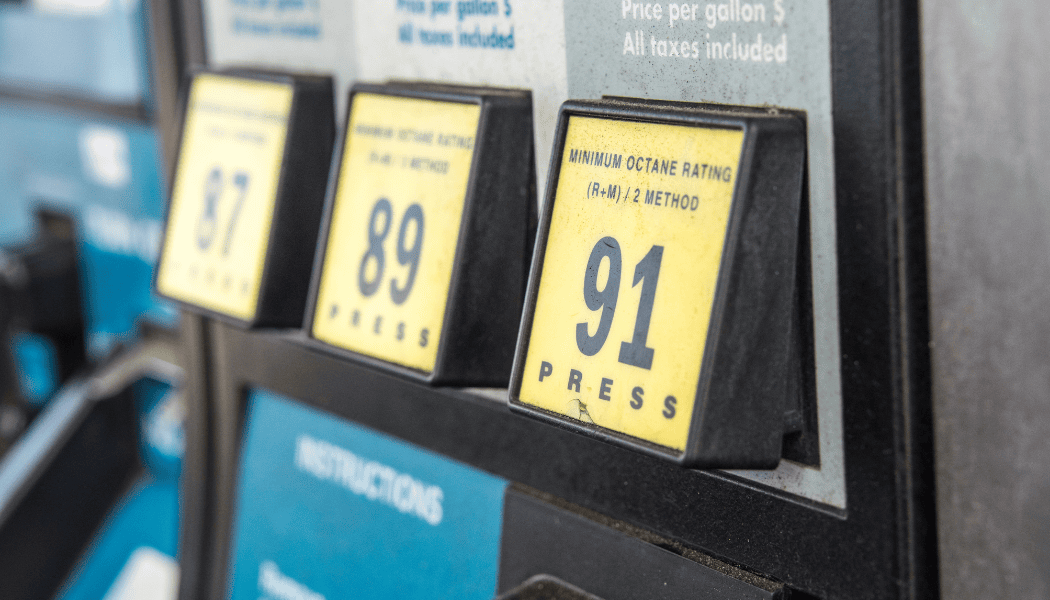
- Add the right type of oilMost rental cars in the US use regular (87) gasoline. Check the fuel cap label or a sticker on the door when picking up the car. If the car model is unusual, it's advisable to ask the rental company beforehand to avoid adding the wrong fuel and damaging the vehicle. Diesel fuel nozzles come in different calibers, often have different colored handles, or are separate from other gasoline fuels; be very careful.
- Avoid the "Prepaid Fuel Fee" optionFinally, be sure to check if you've selected "Prepaid fuel" when renting a car. This option means you're paying for a tank of gas in advance, and it's usually more expensive than the market price. If you don't notice this and fill up the tank when you return the car, all your careful efforts to save money on fuel will be wasted. Some rental companies will automatically add this option.Hidden FeesPlease confirm with the counter staff. It's recommended to fill up at a regular gas station before returning the car; it's much cheaper!
Extended Reading:Self-driving electric car
A carefree road trip across America! Turning big worries into well-prepared challenges.
Renting a car and driving long distances in the United States is fraught with unknowns and uncertainties for many foreign travelers. The journeys are long, and unpredictable situations can arise, especially since many have never driven for such extended periods before. However, this article aims to provide travelers with the confidence and wisdom to skillfully and intelligently navigate tasks such as planning stops, dealing with areas without Wi-Fi, protecting their belongings, handling emergencies, and refueling smartly.
As long as you understand the possible situations in advance, think of the corresponding measures, and make sufficient preparations, both drivers and passengers can enjoy a safe and carefree road trip in the United States!